


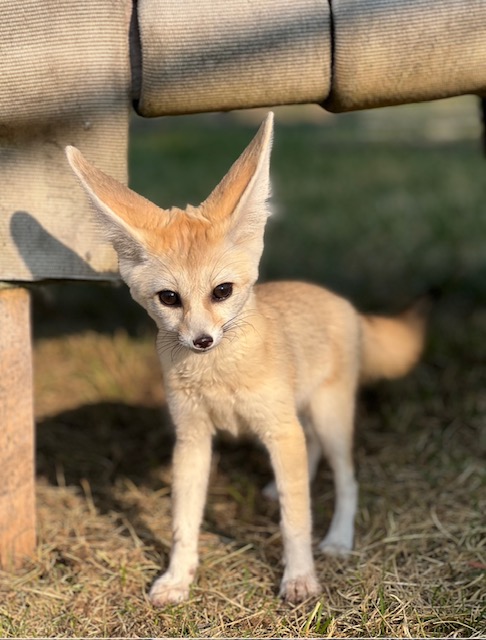
Today we’d like to introduce you to Aundie Donohue.
Hi Aundie, so excited to have you with us today. What can you tell us about your story?
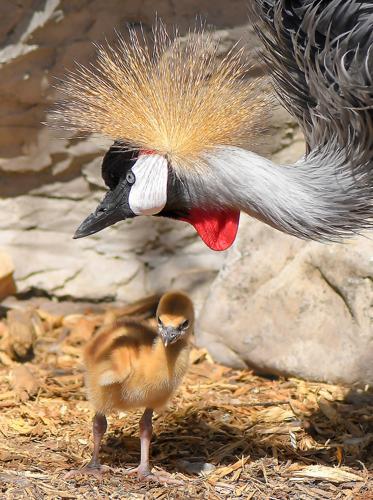
Zootah, formerly know as Willow Park Zoo began its journey in 1970 as an aviary focused on caring for a wide variety of pheasants and waterfowl species from across the world. Originally the city of Logan owned, operated, and managed the facility under the guidance of Doug Eames, a Logan City staff member. At that time, Willow Park Zoo was considered to hold a premier collection of waterfowl and was well known and respected among state and national waterfowl conservationists and bird enthusiasts.
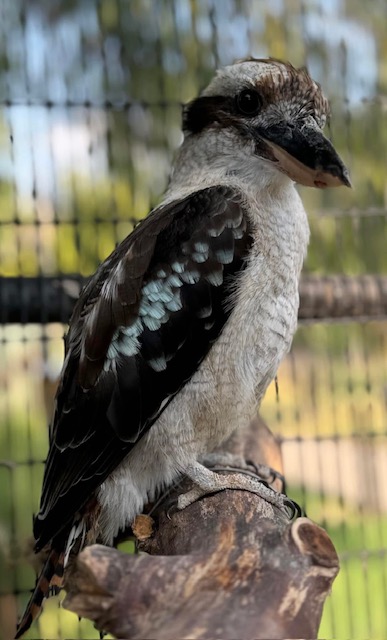
After the retirement of Mr. Eames, Rod Wilhelm became the director of the facility and was a key figure in the evolution of the zoo. While maintaining its avian species focus, the zoo began diversifying its animal collection by acquiring several new species such as capuchin monkeys, North American elk, fallow deer, bear, coyote, parrots, tortoises, and snakes to name a few.
One of the zoo’s most significant accomplishments during the early 2000’s was the construction of the Wildlife Learning Center. This building significantly expanded the zoo’s ability to provide wildlife and conservation education to elementary school students, clubs, scout group and others. This building continues to be a centerpiece of our education program.
Over the years Logan City and zoo staff members began exploring the possibility of separating the zoo from city ownership and management and create a private, non-profit entity. Through the concerted efforts and cooperation of city administration, Rod Wilhem, and a group of dedicated volunteer zoo board members, Willow Park Zoo officially became a private, non-profit organization in 2013.
Rod Wilhem retired shortly after finalizing the creation of the non-profit zoo foundation, but not before providing orientation, and training to the new, and current director, Troy Cooper, who assumed the position of director in December of 2012.
Shortly after taking on the role of director, Troy began implementing the instructions from board members, to transform and expand the in new and exciting ways. This has been a focus since that time and has manifested itself in a variety of ways.
For example, one of the first projects undertaken was to create a new identity that would help visitors the zoo as something new, and separate, from the city of Logan. So, after months of brain storming, polling, discussions, and research the name Zootah was selected for the newly created foundation. This change has created a sense of newness and revitalization to everyone who works at or visits the zoo.
With the cessation of funding from the city, the zoo now had to find ways to generate revenue. One avenue created to do this was the construction of an admission/gift shop building. Prior to itself non-profit status admission to the zoo was solely an ‘honor/donation’ system, and there were no special services offered to visitors. Since its completion, the revenue generated by the sale of gift shop items has increased every year since construction was completed. As mentioned above, the zoo began charging admission in the spring of 2013, as a means to generate operating capital.
Other significant changes that have occurred since 2013 includes the construction of a new entrance to the zoo,
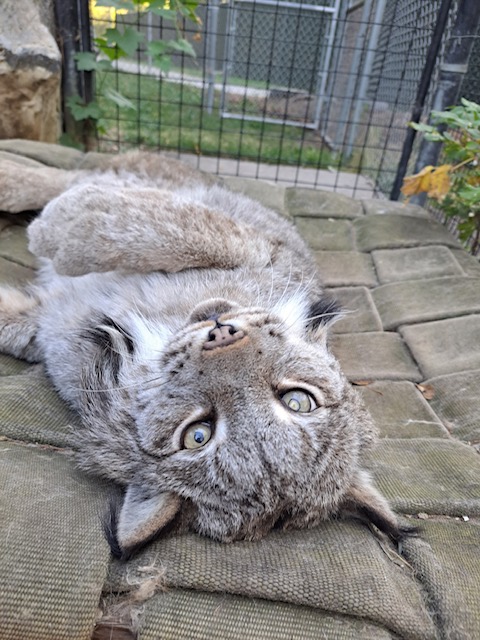
construction or purchase of twenty-one new animal exhibits, and the expansion or remodeling of eleven animal exhibits. This was a necessary step to accommodate the addition of seventeen mammal, eleven bird, and sixteen new reptile species since 2013. Zootah’s animal collection now includes animals from seventy-seven species and is home to nearly two hundred animals.
Education is one of the four pillars for zoos around the world. Zootah’s education program has changed and grown significantly over the past decade. In addition to the hundreds of elementary school field trips who visit the zoo each year, Zootah offers a variety of spring break and summer camps. Staff members also provide biology based instruction to home school students of all ages (K-12), which are offered three times during the school year. In addition, a USU college course, Introduction to Exotic Animals, has been taught to college students since 2020.
With the creation of the new Veterinary Medicine degree at Utah State, Zootah has expanded its partnership with veterinary professors to collaborate on being an ‘hands on’ location to teach pre-vet students a variety of medical procedures. This will be a long term, far reaching program for all veterinary students that specialize in exotic animals.
Zootah has also expanded the number of public events over the years. In 2013 it started one of the first Christmas events in the valley with Reindeer Trek, that has since morphed into Zoo Lights and Boo at the Zoo (circa 2010). Zootah also began holding a Saint Martin’s Day (a holiday in Germany) in 2021 and in 2025 began introducing a Children’s Day (holiday in Japan) in May.
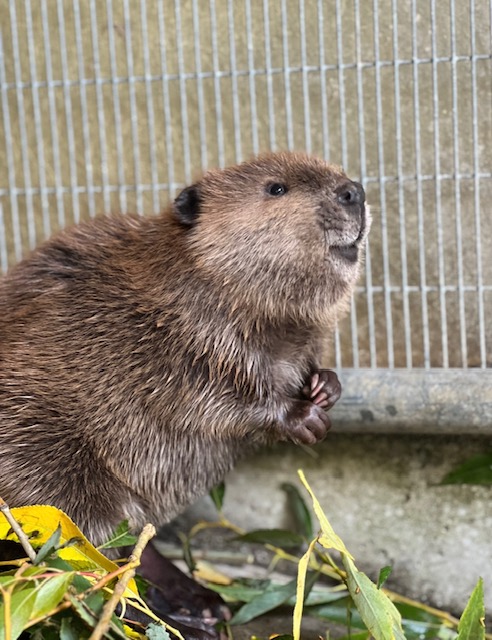
One other aspect associated with all zoos is conservation. Zootah has started partnering with other wildlife organizations involved in a variety of conservation projects. The most recent project includes partnering with Utah State Department of Wildlife Resources, and Utah State University on a beaver conservation project. The goal is to reintroduce beaver back into areas of their historical range and educate the public of the benefits of beavers in the environment. This is an exciting program that we are pleased to be a partner in.
So, over the years Zootah has made many changes and improvements. A common saying among staff members is the phrase, ‘the only thing constant about the zoo is change’. We are excited about our future and would invite anyone who hasn’t visited us recently to come check us out because, “We are not the zoo you knew”.
Alright, so let’s dig a little deeper into the story – has it been an easy path overall and if not, what were the challenges you’ve had to overcome?
It has not been a smooth road. As with many, non-profit organizations, adequate funding to match the anticipated growth has been a struggle. Initially it was a challenge to find qualified, experienced staff as well. Another challenge has been the outdated, old infrastructure of the zoo- old building, antiquated waterline, old, dying trees etc.
Pricing:
- $9/adult
- $6/child
Contact Info:
- Website: https://zootah.org/
- Instagram: https://www.instagram.com/zootah/
- Facebook: https://www.facebook.com/ZootahZoo/
- Other: https://www.tiktok.com/tag/zootah